
Guides › System
Field abilities: gliding, climbing, swimming and flight
Who you bring decides where you can go. Aniimo hands traversal to your creatures rather than to your character, so the roster you build is also the movement kit you carry.
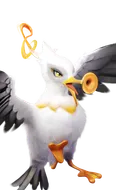
The short version
- Each Aniimo has unique out-of-combat abilities that change how you interact with the world, so movement is a roster decision.
- Traversal while twining covers sprinting, climbing vertical walls, swimming, diving, gliding, flying and burrowing underground.
- Helion's Mobility ability Hustle increases sprint and movement speed, and consumes stamina while it does.
- Cornet can enter a Flying state in combat, and staying airborne enhances its offensive effectiveness.
- Take Off's in-game description says the Aniimo takes more damage while airborne, so air time is a trade and not a free upgrade.
Every Aniimo has its own distinct abilities, and that includes unique out-of-combat abilities that change how you interact with the world. This is not flavour text. It is the reason two players standing at the same cliff have different options.
The delivery mechanism is Twining, which you can activate outside of combat to get exploration and movement options that vary depending on the active Aniimo. Twining has its own guide on this site and you should read it. For this page, the only part that matters is the consequence: each Aniimo provides its own distinct physical traversal ability while twining.
So the question is not what your character can do. It is which creature is active when you reach the wall, the water or the drop.
What that opens up across the map
The traversal abilities cover sprinting, climbing vertical walls, swimming, diving, gliding, flying and burrowing underground. Certain Aniimo assist with traversal by offering gliding, flying, swimming and burrowing specifically, so the more exotic kinds of movement are tied to particular creatures rather than being available to everyone.
Read that list as a map key. A vertical wall is a wall until you have something that climbs it. Water is a barrier until you have something that swims, and what happens once you are in the water is covered by the water combat guide. Ground that looks solid is a route if you can burrow under it. Gliding and flying are different problems: gliding gets you down and across, flying is true flight.
Helion and the cost of going fast
Helion has an exploration Mobility ability called Hustle, which increases sprint and movement speed while consuming stamina. That is the plainest version of the pattern the whole system runs on. You get the speed, and you pay for it in a resource you can run out of.
Sprinting is one of the traversal options, and Hustle is the version of it with a named cost attached. Plan long crossings around when the stamina runs dry, not around how fast you move at the start.
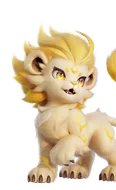
Cornet in the air, and the damage you take for it
Cornet can take to the air during combat, entering a Flying state. Staying airborne enhances Cornet's offensive effectiveness, so the longer you hold the air, the better the offence gets.
Then there is the other half. Take Off's official in-game description states that the Aniimo takes more damage while airborne. The game tells you this itself, in the ability text. Going up is an offensive commitment that makes you easier to hurt, and that trade does not go away as you get better at the fight. It just becomes a decision you make on purpose.
Where to start
Build for the map you are on. Traversal lives on your Aniimo, so check what your active creature actually does before you plan a route. And treat Cornet's air time as a cost you are choosing to pay, not a free upgrade.
Parts of this page were re-checked against the released game on 18 September 2026. The rest has not been re-confirmed since release.